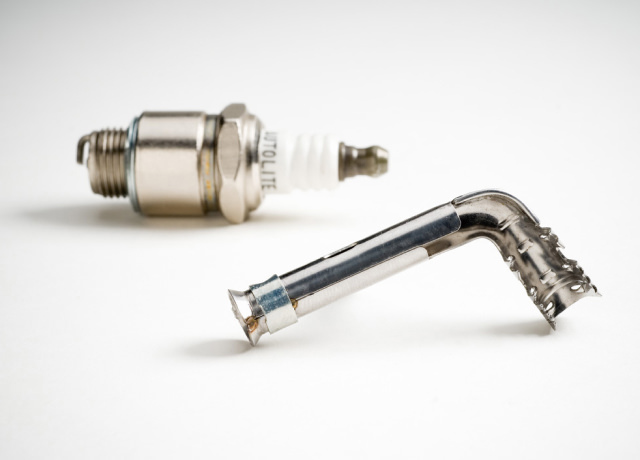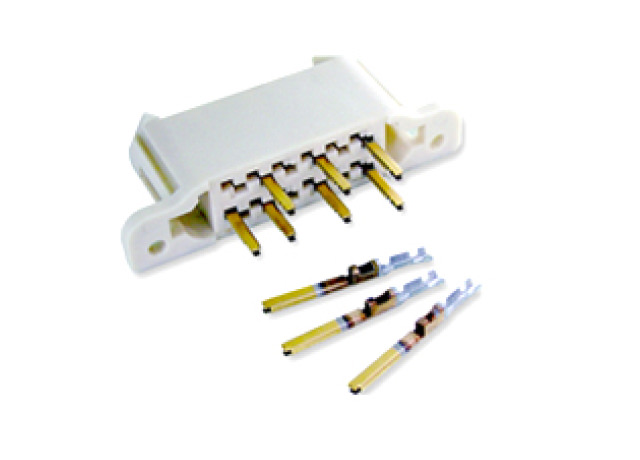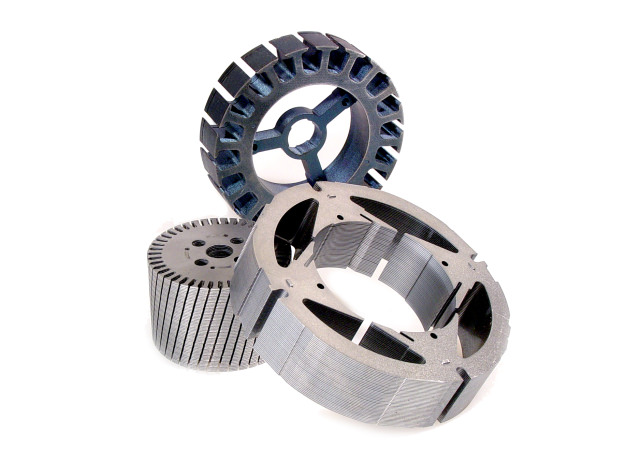
Below are examples of automotive tooling and components we can manufacture for our customers. Contact us and let’s discuss your specific needs.
Automotive Tooling Components
Stamped Metal Parts
Progressive Stamping Dies
Automotive Assembly Systems
Battery Tooling Components
Thin Film Battery Tooling
Anode and Cathode End Cap Tooling
Case Draw Tooling
Power Generation Components
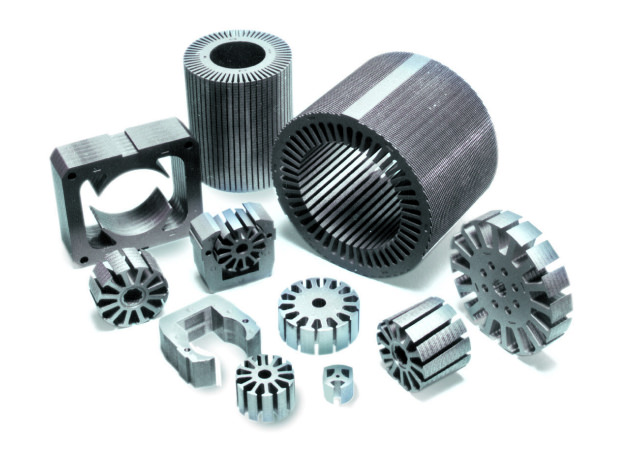
Electric and Hybrid Motor Laminations
Electrical Connectors and Terminals
Automotive Bus Bars
Design for Manufacturing and Design for Assembly (DFM/DFA)
Prototyping Services
Tooling & Stamping
- In-house engineering design (progressive dies, fixtures)
- 50+ presses from 5 to 400 tons
- Hydraulic and Mechanical Presses
- Assembly and value added processes
- Tooling Rework Programs
Machining/Turning/EDM
- Multi-Axis Milling – 3/4/5-axis
- Turning
- Hard Turning Lathes
- Mill/Turn
- EDM Wire and Sinker
- Swiss turn (Chicago plant)
Precision Grinding
- Surface / Centerless
- OD & ID (multi-axis grinding)
- Lapping / Polishing
Special / Secondary Processes
- Heat Treating – vacuum heat treating and heat treating ovens
- Cryogenics
- Welding (Laser + TIG)
- Electropolish
- Lapping, Deburring
- CMM Inspection
- Validated Special Processes
- Vision Systems
Assembly Cells
- Full automation
- Kitting, Packaging, Labeling
- Stainless Steel
- Tungsten Carbide
- Copper
- Brass
- Bronze
- Titanium
- Aluminum
- Thermoplastics
Automotive
Meeting the Manufacturing Demands of Modern Automotive Systems
As the automotive sector undergoes a rapid technological shift, Oberg provides the foundational manufacturing infrastructure required to build next-generation vehicles. We manufacture the components and tooling that support the automotive spectrum. By pairing our deep metallurgical expertise and modern machinery with stringent ISO-certified quality controls, we deliver the product consistency and massive scalability that modern OEMs and Tier-1 suppliers demand.
Manufacturing Capabilities
Oberg provides scalable, end-to-end manufacturing solutions designed to support the tight tolerances and massive production volumes of the automotive industry:
- Tooling & Stamping: In-house engineering design (progressive dies and fixtures), continuous tooling rework programs, and 50+ mechanical and hydraulic presses ranging from 5 to 400 tons.
- Machining, Turning & EDM: Multi-axis 3/4/5-axis milling, mill/turn operations, Swiss turning, hard turning lathes, and precision wire and sinker EDM.
- Precision Grinding: Industry-leading surface, centerless, and multi-axis OD/ID grinding, alongside highly precise lapping and polishing.
- Specialized Secondary Processes: Vacuum heat treating, cryogenics, laser and TIG welding, electropolishing, deburring, and validated special processes.
- Assembly Cells: Fully automated assembly operations, integration of vision systems and CMM inspection, and complete kitting, packaging, and labeling.
Automotive Tooling and Components We Manufacture
Precision automotive, battery, and power generation components we manufacture to support the next generation of transportation:
Automotive Tooling and Components:
- Stamped Metal Parts
- Progressive Stamping Dies
- Automotive Assembly Systems
Battery Tooling Components:
- Thin Film Battery Tooling
- Anode and Cathode End Cap Tooling
- Case Draw Tooling
Power Generation Components:
- Electric and Hybrid Motor Laminations
- Electrical Connectors and Terminals
- Automotive Bus Bars
Materials Used to Manufacture Automotive Components
Automotive environments demand components that can withstand extreme thermal, electrical, and physical stress. We specialize in stamping and machining components from:
- Stainless Steel
- Tungsten Carbide
- Copper
- Brass
- Bronze
- Titanium
- Aluminum
- Thermoplastics
How Oberg Manufactures Automotive and Battery Tooling, and Power Generation Components
Producing automotive components for modern drivetrains, EV batteries, and electrical systems requires a highly controlled manufacturing approach focused on true electrical conductivity, thermal stability, and high-speed repeatability.
Oberg’s manufacturing approach includes:
- Design Optimization (DFM/DFA): Utilizing early-stage engineering and prototyping services to optimize intricate automotive designs for high-speed, cost-effective manufacturing.
- Specialized EV & Power Expertise: Dedicated focus on manufacturing efficient stamped and stacked rotor/stator laminations, thin-film battery tooling, and complex bus bars crucial for electric vehicle architectures.
- Carbide Integration: Leveraging our pioneering expertise in tungsten carbide tooling for stamping dies that can run millions of cycles on tough materials without losing geometric integrity.
- Automated Scalability: Utilizing robotic handling and over 50 presses to rapidly scale from prototype phase to full high-volume production without sacrificing component quality.
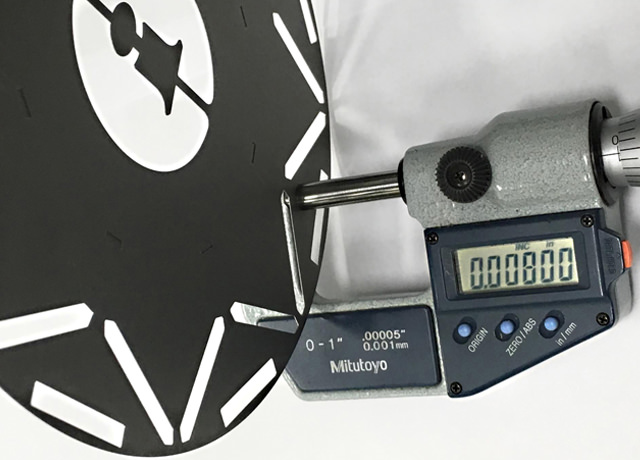
- Stringent Process Validation: Utilizing advanced CMM inspections, digital micrometers, and automated vision systems to ensure every stamped terminal, lamination, and connector meets strict ISO-certified automotive standards.
The Oberg Advantage
- Experienced Talent: With our dedicated tooling design engineers, automation engineers, and a team of over 450 machinists, technicians, and press operators, we are professionals at providing cost-effective, precision solutions for high-volume automotive applications.
- Tooling Innovators: Over 50 years ago, Oberg pioneered the integration of tungsten carbide into stamping dies, revolutionizing tooling durability and precision. Today, our expertise in progressive stamping delivers automotive components at scale, providing consistency and cost efficiency—even when stamping the toughest materials.
- Capacity When You Need It: Oberg is equipped to handle high-volume manufacturing and multi-tool stamping transfer programs. Our project managers and manufacturing engineers can accelerate your automotive programs by combining high-speed stamping with in-line fastening, finishing, and product assembly.
Frequently Asked Questions: Automotive, EV, and Battery Tooling Manufacturing
What distinct vehicle technologies and automotive markets does Oberg support?
Oberg provides comprehensive manufacturing solutions for the entire automotive ecosystem. We deliver high-performance tooling and precision components that actively support traditional internal combustion engines (ICE), hybrid platforms, and next-generation electric vehicle (EV) technologies. Our capabilities scale from autonomous and advanced driver-assistance systems (ADAS) to high-voltage energy storage and powertrain innovations.
What are Oberg’s specific capabilities regarding electric and hybrid motor laminations?
We are specialists in manufacturing high-efficiency rotor and stator laminations for electric and hybrid motors. Oberg designs and builds high-speed progressive tooling capable of stamping and automatically interlocking or bonding ultra-thin lamination stacks. This precision ensures optimal magnetic properties, minimal core loss, and maximum power density for modern EV drivetrains.
How does Oberg support the EV battery manufacturing sector?
We offer advanced tooling solutions tailored to the strict safety and geometric demands of EV energy storage systems, including:
- Thin-Film Battery Tooling: Specialized tooling designed to process delicate materials for solid-state and advanced thin-film battery architectures.
- Anode and Cathode End Cap Tooling: Precision dies built to manufacture consistent, tight-tolerance end caps required to safely seal battery cells.
- Case Draw Tooling: Heavy-duty, multi-station deep draw tooling engineered to form seamless battery cell cases and enclosures.
Can Oberg manufacture custom high-voltage power distribution components like bus bars?
Yes. To meet the power-routing demands of hybrid and electric vehicles, we manufacture custom automotive bus bars, as well as an array of electrical connectors and terminals. We stamp, form, and can integrate specialized secondary insulation or coating processes for heavy-duty bus bars, providing optimal electrical conductivity, thermal management, and reliable performance under continuous high-current loads.
What sets Oberg’s progressive stamping dies apart from standard automotive tooling?
Over 50 years ago, Oberg pioneered the integration of tungsten carbide into progressive stamping dies, a breakthrough that revolutionized tool life and precision. Today, we utilize this expertise to build robust, multi-station automotive dies. Our progressive tooling can stamp tough, advanced high-strength steels (AHSS) and specialty alloys for millions of cycles with virtually zero geometric drift, ensuring continuous part quality and lower per-part costs.
What types of automotive stamped metal parts can Oberg produce at scale?
Supported by a facility with over 50 mechanical and hydraulic presses ranging from 5 to 400 tons, we produce a wide variety of structural, electrical, and powertrain parts. Common stamped components include high-current terminals, lead frames, sensor housings, transmission components, and bracket assemblies. Our high-speed production cells are optimized to run high-volume programs seamlessly.
Does Oberg provide automated automotive assembly systems?
Absolutely. We go beyond stamping and machining to offer fully integrated, turnkey automotive assembly systems. Our custom-engineered assembly cells incorporate multi-stage robotics, automatic fastening, in-line welding (Laser + TIG), and automated packaging. By combining stamping and secondary assembly into a single streamlined workflow, we minimize component handling and optimize production efficiency.
How does Oberg validate quality and maintain strict repeatability across millions of components?
Operating within an ISO-certified framework, we safeguard part consistency through a process-driven approach. Our automated assembly and stamping lines feature integrated vision systems and continuous sensor tracking for real-time validation. Additionally, our quality engineering teams use advanced coordinate measuring machines (CMMs) and digital micrometers to conduct rigorous in-process audits, ensuring full traceability and zero-defect conformance for critical automotive systems.